Your dental website content can either help patients trust you or give Google another reason to overlook your practice.
For dentists who want to rank higher, attract better patients, and grow consistently, content is not a side project. It is one of the most important drivers of long-term SEO success.
The challenge is that content only works when it is built around strategy. Generic blogs, duplicated service pages, AI-generated filler, and outdated website copy rarely create meaningful visibility. They may add pages to a website, but they rarely create the authority, trust, or search presence needed to compete in today’s dental market.
Successful dental SEO content is designed around patient behavior, search intent, local relevance, and conversion goals. Every page should support a larger strategy. Every article should help reinforce your expertise. Every update should move your website closer to becoming the most trusted resource in your market.
Why Content Matters For Dental SEO
Search engines rely on content to understand who you are, what services you offer, where you practice, and which patient problems you solve.
Patients rely on content to determine whether they trust you enough to schedule an appointment.
Strong content helps bridge that gap.
When content is planned correctly, it can help your practice:
- Increase visibility for important treatments
- Build trust before the first phone call
- Strengthen local search presence
- Support higher-value procedures
- Improve website conversion rates
- Demonstrate expertise and experience
- Create long-term SEO growth
Content is not simply about adding words to a page. It is about creating the information patients need to make decisions while helping search engines understand why your practice deserves visibility.
Google Rewards Helpful Content, Not Generic Content
Google has become increasingly effective at identifying content that provides little value.
Many dental websites still rely on service pages that sound nearly identical to dozens of competitors. Others publish generic blogs simply because they believe they need “fresh content.”
Neither approach typically produces meaningful results.
Patients want useful information. Search engines want evidence that your website demonstrates expertise and authority.
Low-value dental content often:
- Repeats information found everywhere else
- Offers little insight into the practice
- Fails to answer patient concerns
- Lacks local relevance
- Provides no clear next step
- Creates a poor user experience
The websites that perform best are usually those that publish content designed to educate, guide, and build confidence rather than simply target keywords.
Content Should Build Authority Around Your Most Valuable Services
One of the biggest mistakes dental practices make is treating each page as an isolated asset.
Google evaluates your website as a whole.
For example, a dental implant service page becomes significantly stronger when it is supported by related content discussing candidacy, costs, treatment options, recovery expectations, and long-term maintenance.
The same principle applies to:
- Cosmetic dentistry
- Invisalign
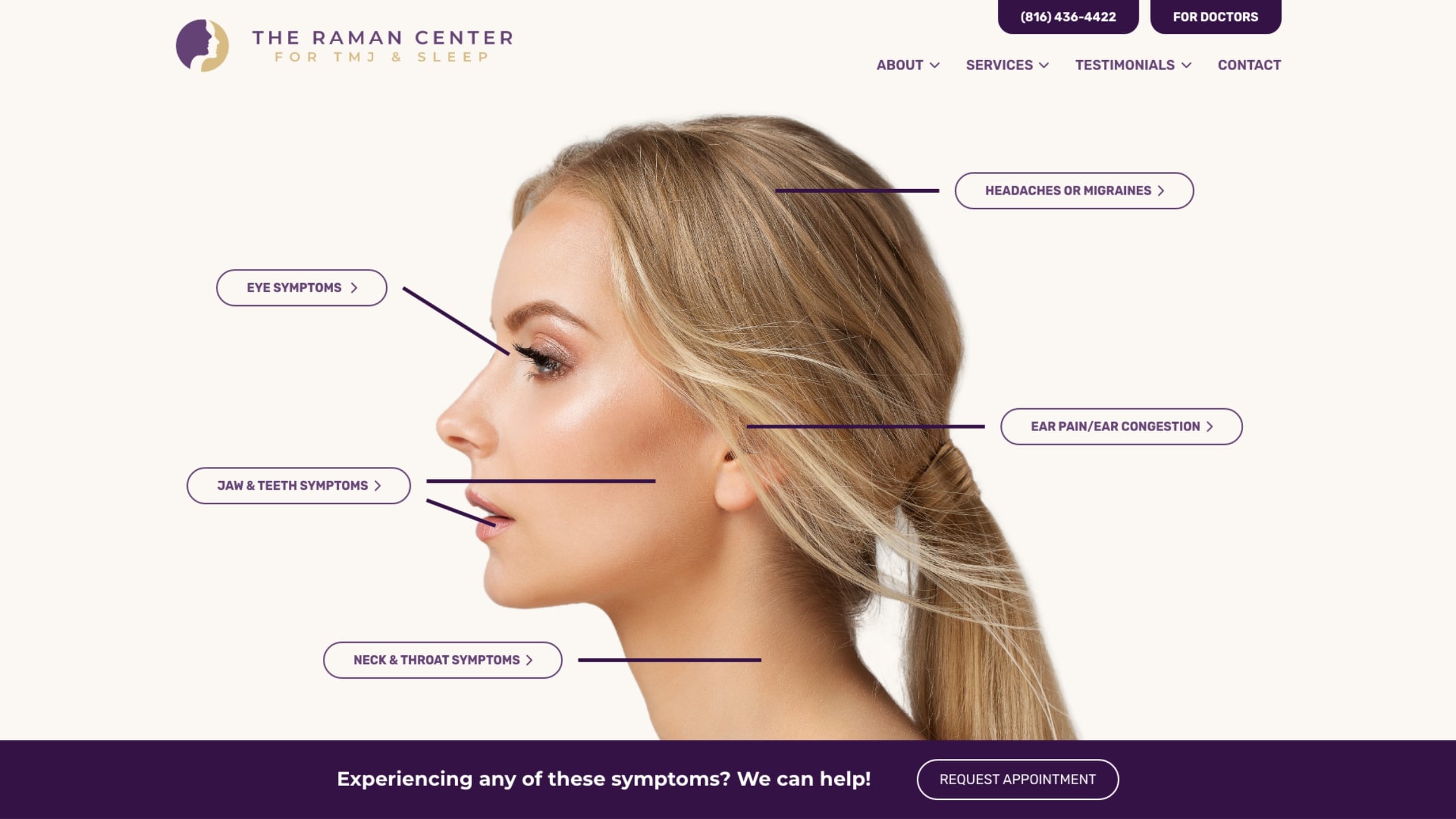
- TMJ treatment
- Sleep apnea treatment
- Full-mouth reconstruction
- Preventive dentistry
When multiple pieces of content work together to answer related patient questions, your website demonstrates a greater level of expertise and authority.
This helps search engines gain confidence in your practice while helping patients find answers throughout their decision-making process.
Local Dental SEO Requires Local Content
Dental practices compete locally.
That means your content strategy should be designed around the communities you serve and the treatments that matter most to local patients.
Effective local content helps reinforce:
- Geographic relevance
- Service expertise
- Community trust
- Search visibility within your target market
The goal is not to force city names into every paragraph. The goal is to create content that clearly demonstrates your connection to the area and your ability to help patients within that market.
Different Types Of Content Serve Different Purposes
Not all content should accomplish the same objective.
A strong dental SEO strategy uses multiple content types working together.
Service Pages
Service pages are often the foundation of dental SEO because they target patients actively searching for treatment.
These pages should help patients understand their options while building confidence in the practice.
Educational Articles
Educational content helps answer questions patients often research before they are ready to schedule.
These articles support long-term visibility and strengthen authority around priority services.
Frequently Asked Questions
FAQ content addresses common concerns regarding cost, recovery, comfort, candidacy, timelines, and insurance.
These questions often mirror the way patients search online, making them valuable for both user experience and SEO.
Location-Focused Content
Location-specific content helps reinforce your visibility within the communities you serve and supports local search performance.
Effective Dental Content Requires More Than Good Writing
Many people assume content creation is simply a writing exercise.
In reality, successful dental SEO content requires a combination of strategy, research, technical optimization, conversion planning, and ongoing refinement.
Every page must balance:
- Search intent
- Patient education
- User experience
- Local relevance
- Internal linking
- Conversion opportunities
- Clinical accuracy
Strong content is the result of many moving parts working together.
Why Most DIY Dental Content Falls Short
Dentists are experts in patient care, not search engine optimization.
Even talented writers often struggle to produce content that supports broader SEO goals because successful content requires much more than subject matter knowledge.
Common challenges include:
- Inconsistent publishing
- Weak content planning
- Missed search opportunities
- Limited local optimization
- Poor internal linking
- Generic messaging
- Outdated information
Without a larger strategy, content often becomes a collection of disconnected pages rather than a system that supports practice growth.
Content Performance Should Be Measured And Improved
Publishing content is only the beginning.
Search behavior changes. Competitors update their websites. New opportunities emerge.
Ongoing analysis helps identify:
- Which pages generate traffic
- Which services attract interest
- Which content needs improvement
- Where additional authority can be built
The most successful dental websites continuously refine and strengthen their content rather than treating it as a one-time project.
How Pro Impressions Builds Dental Content That Performs
At Pro Impressions Marketing, content is never created simply to fill space on a website.
Every page is developed with a purpose.
Our content strategies are designed to help dental practices:
- Build authority around priority services
- Strengthen local visibility
- Improve patient trust
- Support higher search rankings
- Increase qualified inquiries
- Create sustainable long-term growth
Our team combines dental industry experience, SEO expertise, content strategy, and performance analysis to create content that supports real business objectives.
Every page should have a job.
Every article should support a larger strategy.
Every update should move your practice closer to becoming the trusted choice in your market.
Stop Publishing Content That Doesn’t Move The Needle
If your website relies on generic blogs, outdated service pages, or content without a clear strategy, you may be missing valuable opportunities to improve visibility and attract new patients.
Effective dental SEO content does more than fill a page. It helps patients find you, trust you, and choose your practice.
At Pro Impressions Marketing, we create dental content designed to support measurable growth through better visibility, stronger authority, and improved patient acquisition.
Every page should have a job. Every article should support a larger strategy. Every update should move your practice forward.