Branding: you’ve all heard of it, but do you really get it? It isn’t just a flashy logo or a catchy tagline. Dental branding is the identity your patients feel, recognize, and remember—long before they meet you. In a crowded dental market, your brand becomes your practice’s personality, your values, and the consistent experience patients can count on. When done well, dental branding helps your practice stand out, build trust, and turn first-time visitors into loyal advocates.
A modern dental practice competes on more than services. Patients compare comfort, confidence, convenience, and credibility. They notice your voice, your visuals, your online presence, and the way your practice communicates. That’s why branding matters so much for dentists—and why the right dental marketing company can become the foundation for stronger marketing, better online visibility, and healthier long-term growth.
The Essence of Branding in Dentistry
Branding in dentistry is the image and experience patients instantly connect with. It reflects what you value, how you care for people, and what it feels like to interact with your practice. It is present in the welcome patients receive, the tone of your follow-up messages, the way you explain treatment, and the environment you create.
A well-defined dental brand also functions as a promise. Patients may not know every detail of your clinical approach, but they remember how they felt when they visited your website, called your front desk, read your online reviews, or walked into your office. When those touchpoints align, it creates familiarity and confidence.
A strong brand identity becomes an advantage because it makes your practice memorable. It helps potential patients quickly understand what makes you different—whether that’s advanced technology, a calming experience, a high-touch approach, or comprehensive dental services that support long-term oral health. Dental branding builds trust by shaping patient perception through consistent, positive patient experiences.
The Rule of 20 in Building a Dental Brand
The Rule of 20 is a helpful way to understand how branding actually works in real life. The idea is simple: a potential patient often needs to see or interact with your brand around 20 times before it feels familiar and recognizable. That matters because dental decisions are rarely spontaneous. Patients may browse, compare, ask friends, read reviews, and visit multiple websites before choosing.
For dentists, this reinforces the need for consistency across every touchpoint—your dental website design, social profiles, online directories, Google Business Profile, review responses, patient emails, and printed marketing materials. Every impression should reinforce the same identity and message. Over time, those repeated exposures build trust and make your practice easier to choose.
Staying True to Your Brand
Once your practice earns trust, consistency becomes protection. If your messaging, visuals, and experience change too abruptly, patients notice—and confusion can weaken loyalty.
A famous example is New Coke in the 1980s. Coca-Cola changed a classic product in an effort to modernize, and loyal customers pushed back hard because it didn’t align with what they valued. Tropicana’s packaging redesign is another example that created confusion and disrupted recognition. The takeaway for a dental practice is straightforward: updates are fine, but they should still feel like you. Patients should recognize your practice instantly, even as you refresh your look or expand your dental services.
Staying true to your brand also supports your marketing performance. Search engines and real patients reward consistency. The more coherent your brand appears across the web, the easier it is to build authority, strengthen your online presence, and improve conversion rates from the right potential patients.
Branding and Online Presence
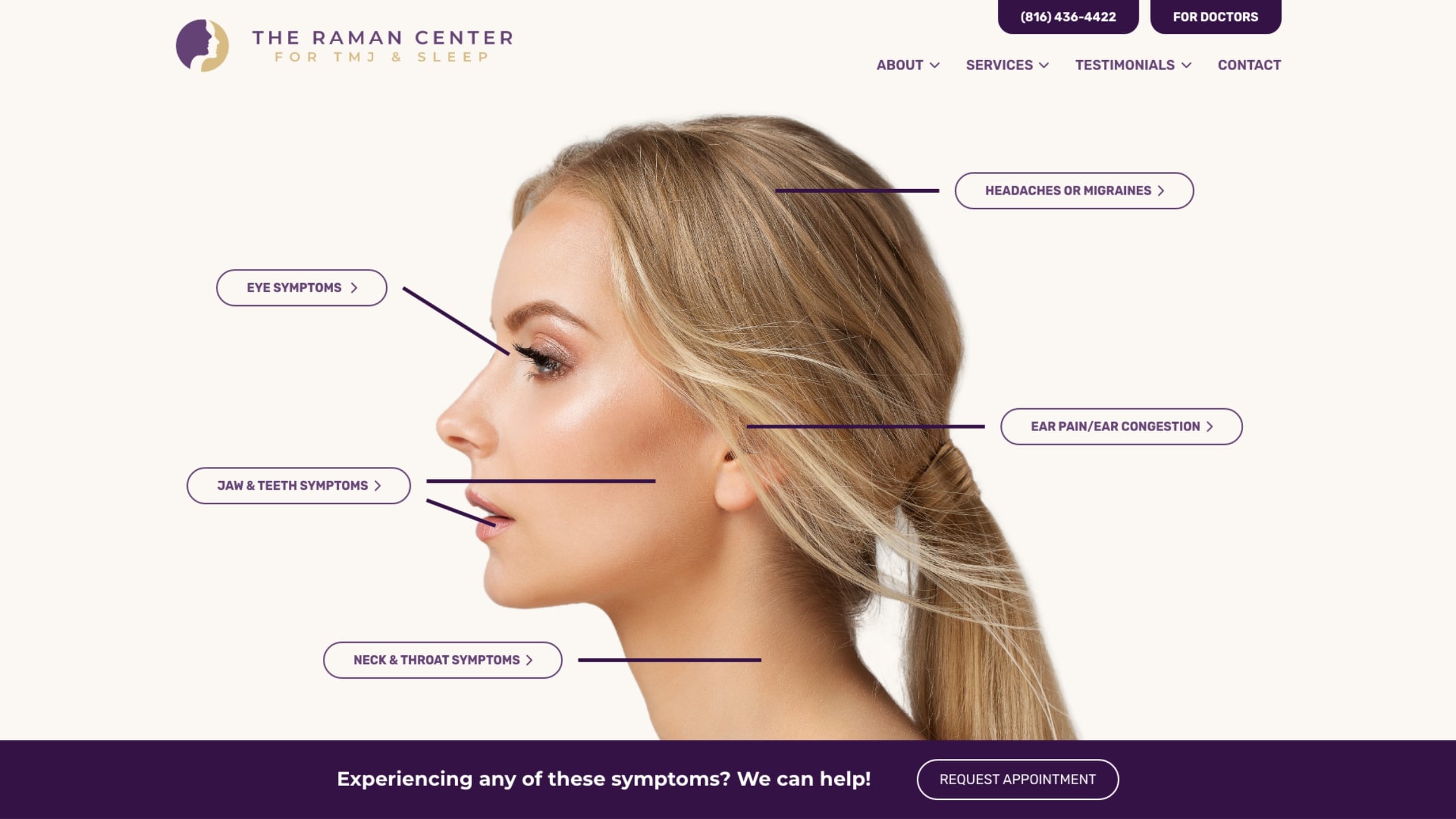
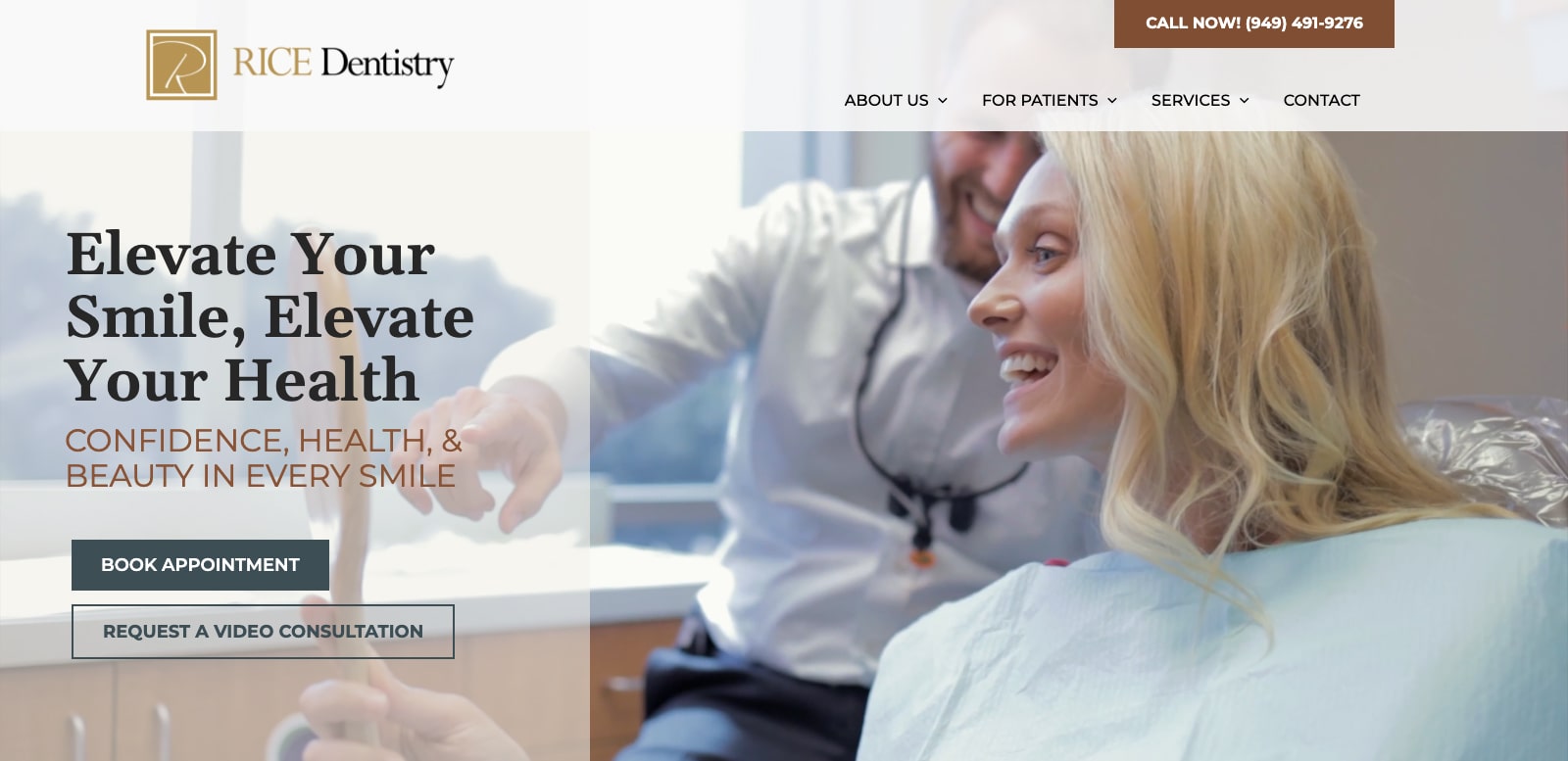
Your online presence is an extension of your brand—and for many patients, it’s the first interaction they’ll have with your practice. Dental website design acts as your digital front door. If the experience is confusing, outdated, or inconsistent, patients feel uncertainty. If it’s clear, modern, and aligned with your brand identity, patients feel confident.
A high-performing website should communicate your values, your approach to care, and what makes your dental practice unique. It should also be structured to support search engines, guide visitors through the information they need, and create a smooth user experience on mobile and desktop. Design matters, but so does clarity.
Your online presence goes beyond your website. It includes your Google Business Profile, social media, online directories, and the way your online reviews appear in search results. These are all brand touchpoints. When logos, colors, messaging, and tone stay consistent, patients experience one unified brand, no matter where they find you. That consistency supports online visibility and helps your practice show up more often in the moments that matter.
Content also plays a role here. Blog post content, testimonials, and educational pages can highlight what makes your practice distinctive and reinforce your values. Done right, these assets support dental SEO, strengthen authority, and help patients feel informed and comfortable.
What A Dental Branding Company Should Deliver
A dental branding company should do more than create visuals. It should clarify the story your practice is telling and ensure every channel supports that story. Branding should help patients understand what you do, who you help, and why you’re the right choice—quickly and confidently.
Because consistency matters, Pro Impressions Marketing creates a Brand Identity and Style Guide for every dental practice we support. This reference captures the essentials—logo usage, colors, typography, photo style, and a clear brand positioning statement—so your marketing materials stay aligned across platforms and campaigns.
Dental SEO That Supports Visibility And Growth
Dental SEO is not a single tactic. It’s a disciplined SEO strategy designed to improve how your practice appears in search engines when potential patients are actively looking for care. Strong dental SEO connects technical performance, content structure, local signals, and a better user experience—so your website can rank, earn clicks, and convert visits into calls.
An optimized SEO approach often includes site architecture improvements, page-by-page keyword mapping, content refinement, internal linking, and reputation signals that reinforce trust. It also means building a content strategy that supports both service pages and educational content without turning your site into a DIY blog project. Blog posts can help, but they work best when they support a broader strategy tied to conversion paths and patient intent.
Local SEO smatters because dental patients ultimately choose local care. Your Google Business Profile, accurate listings, and consistent NAP signals help reinforce credibility and improve performance in map-based results. This is where branding and SEO overlap: consistency builds trust for people and clarity for algorithms.
Dental Website Design That Prioritizes User Experience
Dental website design should look great, but performance is what drives outcomes. A dental website design company should build a site that loads quickly, reads clearly, and guides visitors toward action. User experience matters because patients don’t want to hunt for answers. They want to know what you offer, what it costs (at least generally), what to expect, and how to schedule.
Strong site UX supports both conversion and SEO. When visitors stay longer, engage more, and find what they need, it sends positive engagement signals and increases the likelihood of appointment requests. A well-built site also supports service-specific growth by making it easy to highlight procedures like dental implants, cosmetic dentistry, restorative care, and other high-value services without confusing visitors.
Online Reviews And Patient Perception
The way patients perceive your practice can determine whether they call you or keep scrolling. Your brand shapes those perceptions by setting expectations—then meeting them through consistent patient experiences.
Online reviews are one of the most visible trust signals in dental marketing. Patients read them to confirm they’re making a safe decision. Search engines use them as credibility signals. Responding thoughtfully, showcasing testimonials, and creating a consistent patient communication process can strengthen trust and improve online visibility.
Leveraging Branding In Dental Marketing Strategies
Once your brand identity is clear, it becomes easier to market consistently across channels. If your practice focuses on comfort and calm, your website visuals, tone, and messaging should reinforce that. Your marketing materials should match that experience. Your social presence should reflect it through the stories you share, the patient education you provide, and the way you respond to questions.
This is where a full-service dental marketing partner becomes valuable. Branding, dental SEO, paid media, and reputation all work better together than they do separately. When everything aligns, it reduces wasted spend and improves conversion rates because patients experience clarity at every touchpoint.
A Real-World Branding Lesson From Apple
Apple is a clear example of consistent branding. Their identity is anchored in simplicity, innovation, and elegance, and those themes show up everywhere—product design, retail spaces, website experience, advertising, and events. They focus on how the product fits into real life, not just technical features. That consistency creates recognition, trust, and loyalty.
A dental practice can apply the same principle: create a clear identity, reinforce it across every channel, and make each interaction feel consistent. Patients may not attend a product launch, but they do experience your brand through your website, your Google Business Profile, your reviews, and the way your practice communicates.
Dental Marketing Should Feel Like A Better Investment
Marketing is often one of the biggest expenses in a dental practice, but it should function as an investment. The difference is measurement. When your marketing is tracked, refined, and aligned with your brand, you can make smarter decisions about where to spend and what to improve.
That’s why the phrase “best dental marketing company” should mean more than promises. It should mean clear positioning, a coherent strategy, and transparent reporting tied to outcomes—online visibility, qualified leads, and booked appointments. Dental practices deserve marketing that supports growth with clarity, not guesswork.